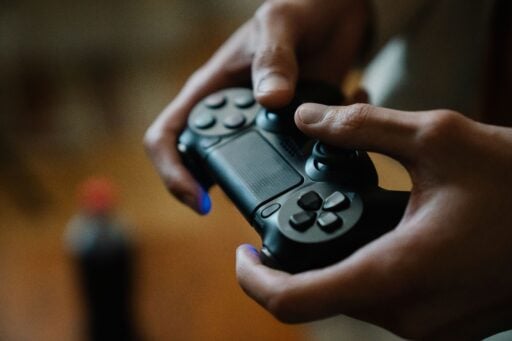
Games such as FreeCell or checkers may be considered trivial entertainment. Nonetheless, behind the apparent simplicity of the games lies an excellent mental workout. A review of the two classic games as a brain workout may explain their usefulness as entertaining yet intellectually stimulating pastimes.
The Science of Play: How Strategy Games Help Your Brain
While physical exercises develop your body and maintain your heart in good shape, mental exercises build your brain capacity. Engaging in games puts your brain to work on information processing, decision-making, and problem-solving.
Every single time you evaluate the possible moves during a game, your brain is engaged in the processes of recognizing patterns and thinking logically. These actions stimulate your brain cells to establish new connections, which in turn will ensure your memory and attention stay healthy when you age. In the age of the internet, you can play checkers online, which doesn’t require a board setup in real life and can improve your game-thinking.
Being involved in an intensive activity also serves as a kind of healthy mental distraction. As you analyze a particular move in the game, your brain is free from the stress of everyday activities.
FreeCell Solitaire: A Great Way to Practice Planning and Memory
Unlike traditional card games where luck decides if you win, nearly every FreeCell game can be won. Winning depends entirely on your ability to study the layout and plan your steps ahead. To improve, you need to play freecell online regularly because that will improve your game.
The Rules That Need Foresight
FreeCell uses a standard pack of cards, arranged so that cards are dealt face up. What is unique about this game is the presence of four free cells above the board. This rule turns the game from a test of luck into a pure test of logic.
Mental Benefits of FreeCell
- Working Memory: You have to hold multiple card sequences in your head while remembering what is trapped underneath other cards.
- Risk Assessment: The wrong timing to move a card may hinder your openings in the cell and limit your play. Choices must be made after careful analysis of immediate and future impacts.
Quick Tip: Before you make your first move, scan the board to find the Aces and lower cards. Plan your initial moves around freeing those important cards early. If you want to test these skills right now, you can easily play FreeCell online on many free gaming websites.
Checkers: Tactical Thinking and Pattern Recognition
Checkers has simple movement rules, but mastering the board takes deep tactical thinking. It is a game of constant trade-offs where giving up a piece now can help you win a multi-jump sequence a few turns later.
Simple Rules with Deep Strategy
The objective is very clear: either capture all the pieces of your rival or corner them so that they are unable to make a move. However, when considering diagonal movements, king promotion, and defensive blocking, the game becomes much more interesting.
Mental Benefits of Checkers
- Spatial Reasoning: In the game of checkers, one needs to visualize the board some steps ahead.
- Balance: Checkers helps one learn to calculate risk, as it is necessary to advance one’s own pieces while anticipating the rival’s.
Quick Tip: Control the center squares early in the game to limit your opponent’s moves, and keep your back row safe for as long as possible. When you want a quick mental challenge against a computer or a friend, you can just play checkers online for free.
FreeCell vs. Checkers: Comparing Your Mental Workout
While both games sharpen your mind, they focus on different cognitive skills.
| Feature | FreeCell Solitaire | Checkers |
| Play Style | Solo play (patience and solitary logic) | Competitive play (interactive strategy) |
| Main Focus | Sequence memory and risk calculation | Spatial reasoning and tactical planning |
| Session Length | Flexible (5 to 15 minutes per deal) | Structured (10 to 20 minutes per match) |
Switching between these two games offers a balanced mental workout. FreeCell sharpens your solo planning and structured memory, while checkers tests your quick problem-solving against an opponent.
Adding Brain Games Into Your Daily Routine
You do not need hours of study to get the mental rewards of these classics. Consistency matters much more than spending a long time playing.
Quality Over Quantity
Spend just 15 to 20 minutes a day on a focused session of FreeCell or a quick match of checkers. Treating your gaming time as a fun mental exercise helps build a healthy habit that refreshes your focus during a busy day.
Easy Access Anywhere
Since there are many modern websites and apps, you do not need a physical deck of cards for a board for play. You can simply engage in a game at any time using your computer or mobile phone.
The games FreeCell and checkers demonstrate that it is not necessary to have complicated rules in order to train your brain properly. These games test your working memory, spatial reasoning, and planning skills.
 Keep AllClash one tap awayAdd it to your home screen and it opens full screen, like an app.