

Studying for a difficult exam can feel like running a mental marathon. At first, your mind feels fresh and focused. After an hour or two, however, every sentence becomes harder to understand. You may read the same paragraph three times without remembering a single word. At that point, continuing to study is not always productive.
This is where gaming breaks can help.
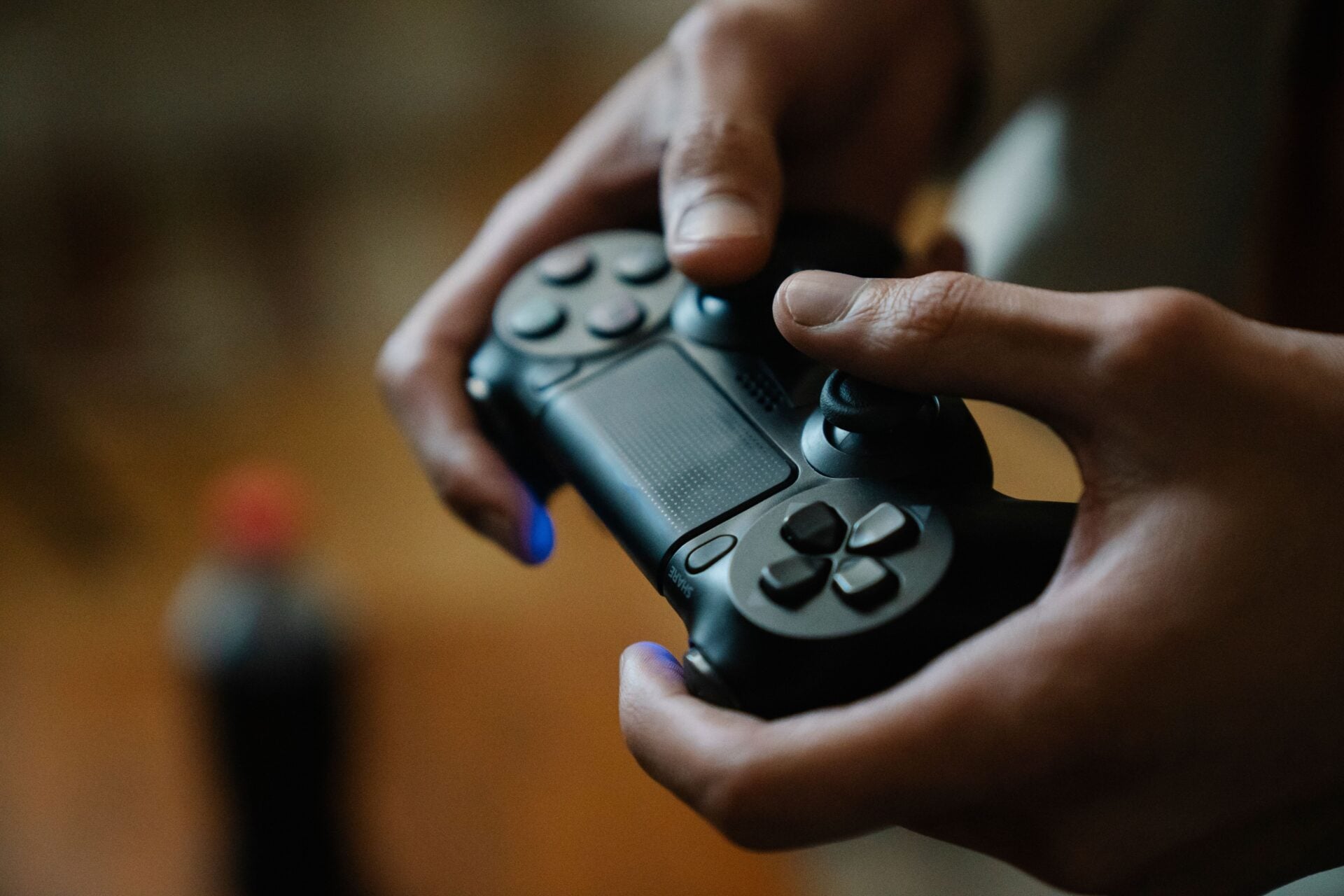
Gaming often gets blamed for poor grades, procrastination, and lost sleep. Those risks are real when gaming has no limits. However, a short and carefully planned gaming break can give your brain a change of pace between intense study blocks. It can reduce boredom, improve your mood, and help you return to your work with more energy.
The keyword is planned. A ten-minute game can refresh you, while an unplanned three-hour session can destroy your study schedule. Students therefore need to treat gaming breaks as a tool rather than an escape. Just as a cup of coffee can increase alertness when used wisely, gaming can support your study routine when you control the timing, game choice, and length of each break.
So, how can students use gaming breaks without losing focus? Let us explore a practical approach.
Why Gaming Breaks Can Support Better Studying
When your attention begins to fade, forcing yourself to continue can waste time and lower the quality of your work. Instead, take a planned break and delegate permitted tasks, such as proofreading, formatting, or tutoring support, to qualified professionals. During a demanding week, students seeking permitted academic support may choose a legitimate service PapersOwl for improving grades and having a better understanding of the topic. Delegation can reduce stress, save valuable time, and allow complex tasks to benefit from professional expertise. As a result, you can rest, recharge, and return to your studies with clearer focus and renewed energy.
A break creates a clear boundary between one study block and the next. During that pause, your mind temporarily moves away from formulas, dates, vocabulary, or essay plans. This mental distance can make it easier to return to the material with a fresh perspective.
Gaming breaks are especially useful because games quickly capture attention. Instead of spending your break worrying about unfinished homework, you enter a different activity with clear goals and immediate feedback. You solve a puzzle, complete a level, build something, or compete in a short match. This shift can feel like opening a window in a crowded room.
Games can lift your mood and provide a welcome mental reset during demanding study sessions. Difficult subjects often cause frustration, especially when the correct solution is not immediately clear. When a technical topic becomes overwhelming, students can use database assignment help from qualified professionals to clarify difficult concepts and regain confidence. Combining responsible academic support with a short, enjoyable gaming break can interrupt negative emotions and reduce stress. When you return to studying, the task may feel clearer, more manageable, and less intimidating.
However, gaming does not magically improve academic performance. The benefit comes from the break itself and from using it responsibly. If a game leaves you angry, overstimulated, or unwilling to stop, it is not helping you recharge. A useful gaming break should make the next study block easier, not harder.
It is also important to understand the difference between recovery and avoidance. Recovery means taking a limited break so you can continue working effectively. Avoidance means using games to escape from discomfort for an unlimited period. The activity may look the same, but the purpose and result are completely different.
Before starting a gaming break, ask yourself one simple question: “Am I playing so I can return with more energy, or am I playing because I do not want to return at all?” An honest answer can protect your study plan.
Choosing the Right Games for Short Study Breaks
Not every game works well during a study break. Some games are easy to start and stop, while others are designed to keep you playing for a long time. Choosing the right type of game is one of the most important parts of using gaming breaks successfully.
The best break games usually have short rounds, simple controls, and natural stopping points. You should be able to finish a level or match within your planned break. When the timer rings, the game should not make you feel that you are abandoning an important mission.
You should also consider how the game affects your emotions. A relaxing puzzle game may help you recover after a stressful mathematics session. In contrast, a highly competitive game may increase your heart rate and frustration, especially after a loss. The goal is not simply to have fun. The goal is to feel ready for the next study block.
Best Game Styles for Short Breaks
Puzzle games are often a strong choice because they provide quick challenges without requiring a long commitment. Matching games, word puzzles, number games, and short logic tasks can be enjoyable while remaining easy to stop.
Casual racing, rhythm, platform, or sports games may also work when they offer short rounds. A single race, song, level, or match can fit neatly into a ten-minute break. These games provide movement and excitement without requiring a large story commitment.
Creative games can be useful too. You might spend a few minutes decorating a room, building a small structure, or designing a character. Creative play gives your mind a different kind of task, which can be refreshing after memorizing information.
Offline games may be safer than online games because they usually involve fewer unpredictable delays. An online match might take longer than expected, and leaving early could affect other players. Offline games allow you to pause or stop immediately when your break ends.
The ideal game depends on your personality. Some students relax through gentle activities, while others need a quick burst of action. Test different options and pay attention to how you feel afterward. Do you return to studying calmly, or do you keep thinking about the game? Your reaction matters more than the game’s popularity.
Games That Can Turn a Short Break Into a Long Distraction
Be careful with open-world games, long strategy games, story-heavy adventures, and competitive ranking systems. These games are not bad, but they are often poorly suited to short study breaks.
Imagine starting a film during a ten-minute break. Even if you promise to watch only one scene, the story may pull you forward. Many large games work in the same way. They create curiosity, unfinished goals, and emotional investment. When your break ends, stopping may feel painful.
Games with daily rewards, endless missions, or “one more match” systems can also make time management difficult. Their design encourages continued engagement. You may begin with a reasonable plan and then tell yourself, “I will stop after this round.” Five rounds later, your study schedule has disappeared.
Highly competitive games can be risky as well. Winning may make you want to continue, while losing may make you want another chance. In both situations, stopping becomes difficult.
Save immersive games for your free evening, weekend, or post-exam reward. During study breaks, choose games that behave more like snacks than full meals. A snack gives you quick energy. A full meal asks you to sit down and stay for a while.
Building Gaming Breaks Into a Productive Study Routine
A gaming break works best when it is part of a clear study system. Without structure, the break may begin whenever studying becomes uncomfortable. That teaches your brain to escape each time you face difficulty.
Instead, decide your study and break periods before you begin.
For example, you could study for 45 minutes and then take a 10-minute break. After three study blocks, you could take a longer break of 25 or 30 minutes. Another student might prefer 25 minutes of study followed by a 5-minute break. The exact pattern matters less than consistency.
Longer study blocks are often suitable for reading, writing, and solving complex problems because they give you time to enter a focused state. Shorter blocks may work better when you feel tired or when the task is unpleasant. You can adjust the schedule based on your energy level and the difficulty of the subject.
Gaming should not fill every break. Your body also needs movement, water, food, fresh air, and rest for your eyes. Consider using games during one or two selected breaks rather than after every study block. During the other breaks, stand up, stretch, walk around the room, or look through a window.
Before each gaming break, set a timer on a separate device if possible. If you use your phone for gaming, place a physical clock nearby or use a loud alarm that requires a clear response. A timer turns an uncertain break into a defined period.
It also helps to decide the exact game and stopping point in advance. Instead of saying, “I will play for a while,” say, “I will play one race, and then I will return to chapter four.” Specific plans reduce the need to make decisions when you are already distracted.
Prepare your next study task before you start gaming. Leave the correct book open, write the next question on a note, or place the required document on your screen. This creates a bridge back to work. When the break finishes, you do not need to ask, “What should I do now?” You simply continue from the prepared point.
You can even connect gaming breaks to completed goals. For example, play for ten minutes after finishing 20 practice questions or reviewing one full lecture. This method turns gaming into a reward for progress rather than a response to boredom.
Still, avoid making every small action dependent on a reward. You should gradually build the ability to study because the work matters, not only because a game follows it. Think of gaming as one part of a balanced routine, not the engine controlling every decision.
Keeping Gaming Breaks Restorative Instead of Distracting
The greatest challenge is not starting a gaming break. It is ending one.
To make stopping easier, create friction between the break and continued gaming. Friction means adding a small barrier that makes the unwanted action less automatic. For instance, close the game completely instead of leaving it running. Put the controller in a drawer. Move your phone across the room when you return to studying. These simple actions send a message that playtime has ended.
Avoid beginning a new level, mission, or match when only a few minutes remain. Use the final minute of the break to save your progress and exit calmly. Waiting until the alarm rings in the middle of an exciting moment makes stopping much more difficult.
You should also monitor your emotional state. A successful gaming break usually leaves you relaxed, cheerful, or mentally reset. An unsuccessful one may leave you frustrated, guilty, restless, or strongly tempted to continue.
Keep a simple record for one week. After each gaming break, note the game, break length, and how easily you returned to studying. You do not need a complex spreadsheet. A few words are enough: “Puzzle game, 10 minutes, returned easily,” or “Ranked match, 20 minutes, distracted afterward.”
Patterns will quickly appear. Perhaps a certain game always leads to longer breaks. Perhaps gaming works well in the afternoon but makes you sleepy at night. Perhaps five minutes feels too short, while fifteen minutes makes stopping difficult. Use this information to design a routine that matches your real behavior rather than your ideal behavior.
Sleep is another major factor. Students should avoid using gaming breaks as an excuse to study and play late into the night. Sleep supports attention, memory, emotional control, and learning. A late-night study session with frequent games may feel productive, but poor sleep can make the next day much harder.
Screen fatigue also matters. If your study work already involves a laptop or tablet, another screen may not provide complete recovery. Your mind may enjoy the game while your eyes remain tired. Reduce brightness, look at distant objects, and combine gaming with physical movement.
Most importantly, set a clear consequence for repeatedly ignoring your timer. For example, if a ten-minute gaming break becomes an hour-long session twice in one week, replace gaming breaks with walking or music for the next few study days. This is not punishment. It is honest self-management.
Some students may discover that gaming breaks simply do not work for them during exam periods. That is perfectly reasonable. A tool is only useful when it produces the desired result. If gaming repeatedly damages your concentration, move it to the end of the day as a larger reward after all important tasks are complete.
Conclusion: Make Gaming Serve Your Goals
Gaming breaks can help students recharge between intense study blocks, but only when the student remains in control. The right game can create a quick mental reset, improve your mood, and make a long study session feel more manageable. The wrong game—or the right game without limits—can turn ten minutes of rest into an evening of procrastination.
Choose games with short rounds and clear stopping points. Plan your break before studying, use a timer, and prepare the next academic task before you begin playing. Most importantly, observe the results. A good break should help you return to your desk with greater focus. If it leaves you distracted, frustrated, or unwilling to work, change the game, shorten the break, or choose another activity.
Think of your study routine as a journey across a long bridge. Study blocks move you forward, while breaks allow you to pause, breathe, and check your direction. Gaming can be one of those resting places, but it should never become a road leading away from your destination. When you use it with purpose, a few minutes of play can support many more minutes of effective learning.
 Keep AllClash one tap awayAdd it to your home screen and it opens full screen, like an app.