

The Feast of Divine Mercy is one of the most important celebrations in the Catholic liturgical calendar. Celebrated on the first Sunday after Easter, this feast offers a special opportunity to reflect on God’s infinite mercy and to renew one’s faith. The choice of a chasuble, or liturgical vestment, for this occasion is thus a significant act that can enrich the spiritual experience of both the celebrant priest and the faithful. In this article, we will explore how to select the right chasuble for the Feast of Divine Mercy, considering symbolism, liturgical colors, materials, and style.
The Meaning of Divine Mercy and Its Reflection in the Chasuble
Divine Mercy is a central theme in Catholic spirituality, promoted especially by Saint Faustina Kowalska. Jesus himself appeared to her, asking that his image, with rays of red and white light, be venerated and that the Feast of Divine Mercy be solemnly celebrated. The chasuble, therefore, should reflect this message of love, forgiveness, and hope. The symbols and motifs present on the chasuble can evoke the image of Merciful Jesus, the Sacred Heart, or other elements that evoke divine mercy.
Liturgical Colors Appropriate for the Feast of Divine Mercy
The predominant liturgical color for the Feast of Divine Mercy is white. This color symbolizes purity, joy, and the resurrection of Christ. However, it is also possible to incorporate red, which represents the blood of Christ shed for our salvation, and blue, which recalls the maternal protection of the Virgin Mary, often associated with mercy. When choosing a chasuble, it is important to consider how these colors combine to create a harmonious and meaningful visual effect.
Materials and Fabrics: Comfort and Dignity
The choice of materials for the chasuble is a crucial aspect. The fabrics must be of high quality, durable, and comfortable for the priest to wear. Materials such as brocade, silk, velvet, and linen are often used for their beauty and durability. It is also important to consider the breathability of the fabric, especially if the celebration takes place in a warm environment. Furthermore, the fabric should be easy to clean and maintain to ensure that the chasuble retains its dignified appearance over time.
Styles and Designs: Tradition and Innovation
Chasubles can vary significantly in style and design. You can find traditional chasubles with elaborate embroidery and classic motifs, or more modern chasubles with simple lines and minimalist designs. The choice of style depends on the personal taste of the priest, the traditions of the parish, and the message one wishes to communicate. It is important that the chasuble is well-made, with precise seams and careful finishing, to ensure an elegant and professional appearance.
Embroidery and Symbols: A Visual Language of Faith
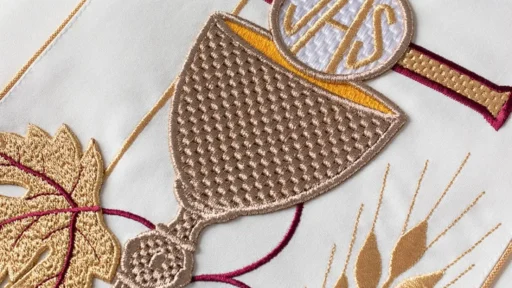
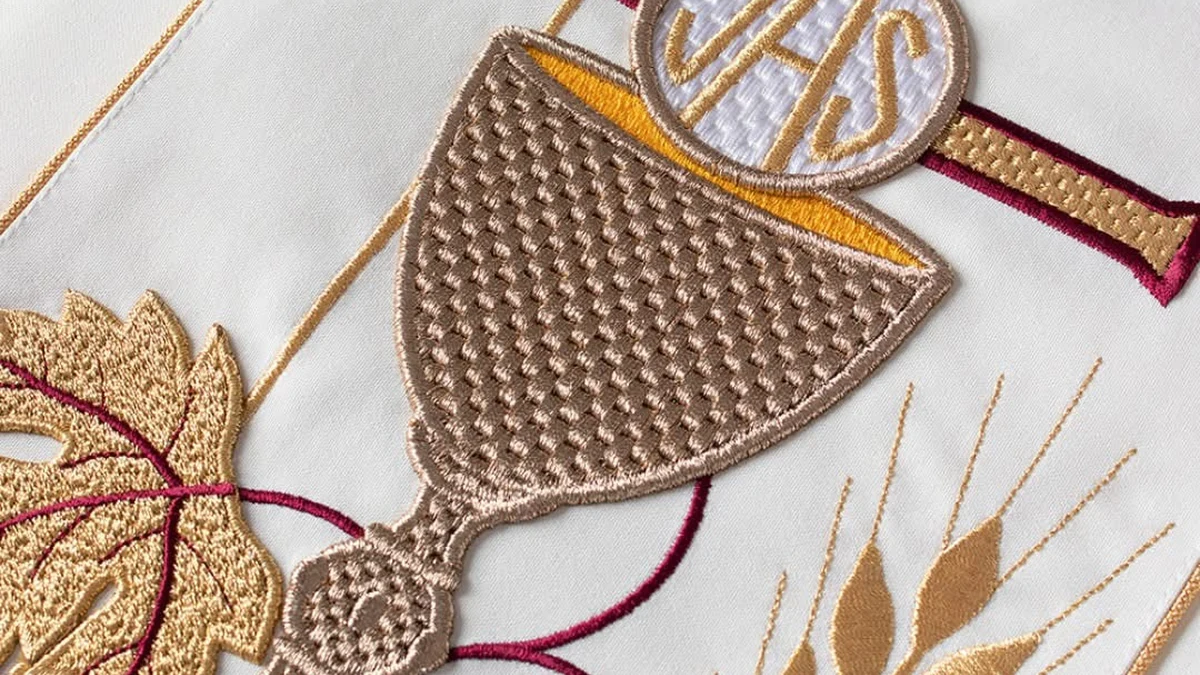
The embroidery and symbols on the chasuble are a key element in communicating the message of Divine Mercy. Images of Merciful Jesus, the Sacred Heart, the crown of thorns, the cross, or other Christian symbols can be included. The embroidery can be done by hand or by machine, using gold, silver, or colored threads. It is important that the embroidery is well-executed and that the symbols are easily recognizable and understandable to the faithful.
The Chasuble as a Sign of Respect and Devotion
Wearing a well-chosen chasuble for the Feast of Divine Mercy is a sign of respect and devotion to God and to the community of the faithful. The chasuble is not just a garment but a symbol that represents the role of the priest as a mediator between God and men. Therefore, the choice of the chasuble should be made with care and attention, considering all the aspects described above.
Where to Buy High-Quality Chasubles for the Feast of Divine Mercy
If you are looking for high-quality chasubles for the Feast of Divine Mercy, we invite you to visit our online store, HaftinaUSA.com. We offer a wide selection of chasubles made with fine materials and attention to detail. You can find traditional and modern chasubles, with embroidery and symbols that evoke the message of Divine Mercy. Our team is at your disposal to help you choose the perfect chasuble for this special occasion.
Practical Tips for the Care and Maintenance of the Chasuble
To ensure that your chasuble maintains its elegant and dignified appearance over time, it is important to take care of it properly. After each use, the chasuble should be hung on a padded hanger in a cool, dry place. Avoid exposing it to direct sunlight or excessive heat sources. For cleaning, follow the instructions on the fabric label. In case of stains, contact a professional specializing in cleaning delicate fabrics. With proper care, your chasuble will accompany you for many years, witnessing your faith and devotion.
The Importance of the Chasuble in the Context of Catholic Liturgy
The chasuble is an essential element of the Catholic liturgical vestment, worn by the priest during the celebration of Mass and other religious functions. Its use dates back to the early centuries of Christianity and has undergone several evolutions over time. Today, the chasuble is a symbol of the priest’s role as a minister of God and representative of Christ. The choice of the chasuble, therefore, is not just a matter of personal taste but an act that reflects the profound spirituality and significance of Catholic liturgy.
Custom Chasubles: A Unique Touch for Your Celebration
If you desire a truly unique and special chasuble, you can opt for a custom-made chasuble. Many artisans and specialized workshops offer the possibility of creating custom-made chasubles, with embroidery and symbols chosen by the client. You can include your coat of arms, the name of your patron saint, or other elements that have a particular meaning for you. A custom chasuble is a way to express your individuality and your faith in a creative and original way.
The Historical Evolution of the Chasuble: From Origins to the Present Day
The chasuble has a long and fascinating history, dating back to the times of the Roman Empire. Originally, it was a simple cloak worn by all citizens, but over time it became a distinctive garment of Christian priests. Over the centuries, the chasuble has undergone several transformations, both in shape and in the materials used. Today, the chasuble is a symbol of the tradition and continuity of the Catholic faith, a link between the past, the present, and the future.
The Chasuble and Its Role in Art and Culture
The chasuble is not only a liturgical vestment but also an element that has inspired artists and creatives of every era. You can find representations of the chasuble in paintings, sculptures, mosaics, and other forms of art. The chasuble is a symbol of spirituality, devotion, and beauty, which continues to fascinate and inspire people around the world. Its presence in art and culture testifies to its important role in history and society.
Conclusion: Choosing the Right Chasuble to Honor Divine Mercy
The choice of a chasuble for the Feast of Divine Mercy is a significant act that can enrich the spiritual experience of both the celebrant priest and the faithful. Considering the symbolism, liturgical colors, materials, style, and embroidery, it is possible to select a chasuble that reflects the message of love, forgiveness, and hope of Divine Mercy. We invite you to visit our online store, HaftinaUSA.com, to discover our wide selection of high-quality chasubles and find the perfect one for this special occasion. Remember, the chasuble is not just a garment but a symbol of your faith and devotion.
https://haftinausa.com/collections/liturgical-vestments
 Keep AllClash one tap awayAdd it to your home screen and it opens full screen, like an app.