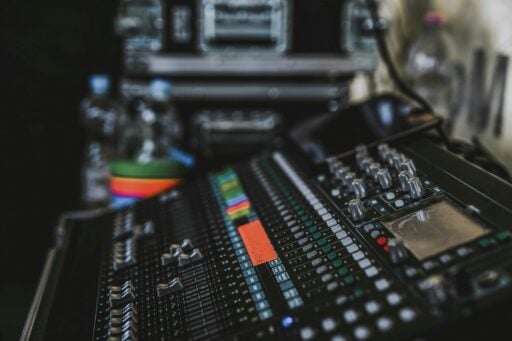

This is the charm of game sound. There’s no need to commit yourself to a lifetime of learning about music or sound engineering. If you are a lover of games and have a creative side, then you already have a good beginning. It’s not easy to make a career out of an initial interest, though it can be done with practice, patience, and a bit of expertise. It’s not quite as difficult as it sounds, though. Let’s take a look at how to get started and why video game music is a great business.
Why Gamers Have a Head Start in Game Audio
The hours spent in gameplay are a lot of time, and not a lot of time is spent preparing for a career. But it can give you a lot of information about game sound. Think about it. You’ve already learned that sound can be used to evoke atmosphere in games. Horror games are based on disturbing sounds and abrupt quiet. All the cars in racing games sound different due to the engine sounds. RPGs are known for their iconic music pieces, which can add even more fun to the experience of exploring new worlds.
That experience gives you an idea of what works and what doesn’t. Equipped with a powerful weapon, repetitive background music, and voice command audio cues, you’ve likely seen how much more powerful these can make you feel. However, there is a difference between playing and creating game sound effects. There are still recording, editing, and audio production skills to learn. But knowing the game is helpful, as it provides context to someone who hasn’t played a game before.
Pay attention to sound in your upcoming game! Observe how it moves from place to place, reacts to players’ actions, and conveys information without speaking.
What Sound Designers, Composers, and Audio Programmers Actually Do
Game sound is not a single task. The majority of the specialists collaborate to provide you with all you hear when you play.
Sound designers design and modify sound effects. They focus on footsteps, explosions, environment sounds, character movements, and so much more. Sometimes they get a real object and record it and then change it around to make something totally different.
Game music composers are about music. They can generate anything from soothing background music to dramatic battle themes. Game music is different from traditional music because it may require a variation in style according to the actions taking place on the screen.
Audio programmers work with the technical aspects. Their job is to write code to link sounds to game events, to control the sounds, and to ensure everything works well.
Learning the Tools From Your First DAW to Audio Middleware Like FMOD and Wwise
You do not need a professional recording studio to start experimenting with game audio. A decent computer, headphones, and the right software can take you surprisingly far. Your first step is learning a digital audio workstation, usually called a DAW. This is where you will record, edit, mix, and manipulate sounds.
Once you are comfortable editing sounds, explore audio middleware. Two important tools in game development are FMOD and Wwise. These programs connect audio to game engines and allow sounds to respond dynamically to gameplay. For example, you can make background music become more intense when enemies approach or change footstep sounds depending on the surface.
Both tools offer learning resources and ways to practice without immediately purchasing expensive licenses. You can also experiment with Unity or Unreal Engine to understand how audio fits into an actual game.
Building a Sound Design Portfolio That Gets You Noticed
It is critical to know what the software is. But employers and clients are interested in what you can actually produce. That’s why your portfolio is important. You don’t have to develop a commercial game in order to develop one. First, capture some footage of the game and play its sound effects over the top of the original recording. This is known as a redesign of the sound. It’s a common method for novices to show off their skills.
Select scenes to demonstrate various skills. A sequence could include actions such as explosions, impacts, and weapon noises. A strong beginner portfolio might include:
- Two or three short gameplay sound redesigns.
- An example of interactive audio created with FMOD or Wwise.
- Original sound effects showing your recording and editing skills.
- A short explanation of your creative process.
Keep your best work in a demo reel that’s easy to watch and share. Quality matters more than quantity. So, do not feel pressured to include every experiment you have ever made. And make sure you are clear about which sounds you created yourself and which visuals or assets belong to someone else.
Finding Your First Paid Gigs and Remote Opportunities
When you’ve created a portfolio, it’s time to seek opportunities to apply those abilities in actual projects. It is not always possible to immediately become employed by a large game studio. Other development communities, such as indie developers, small creative teams, and mobile game studios, also require audio support. There are some projects with a restricted budget. They can provide you with experience; however, they can help you develop your professional connections.
Another helpful introduction is game jams. These events are designed to draw in developers, artists, and audio makers to create games in a brief period. These are excellent for teamwork practice and to see how your sounds perform when they are used in actual play.
You can also explore freelance platforms, game development communities, and professional job boards. Once your portfolio is ready, browsing sound designer jobs remote on Jooble can help you discover current openings and understand what employers expect from candidates.
Pay attention to job descriptions, even when you are not ready to apply. They can reveal which tools, technical skills, and types of experience appear most frequently. One more tip. Do not send the same generic application everywhere. Show employers examples that match their projects and explain how your audio skills could contribute to their games.
Growing From Freelance Projects to a Long Term Audio Career
Getting your first job is great. But it’s not just about technical skills when it comes to building a successful career. You will need to have excellent communication skills, manage criticism, work hard to deliver within deadlines, and work with others who may have a different creative vision than you.
Keep learning, too. There is more to game audio than just capturing it. Knowing interactive systems, workflow for implementation, and game engines can help you become more versatile. Networking also matters. Keep in touch with past collaborators, join audio groups, and post your recent creations. A small freelance job can turn into a project and further opportunities for co-operation.
Above all, keep making. Try out some weird overlays, make new levels from various games, and push yourself to new methods. As a game audio creator, there is no need to cease being a gamer. In fact, you can continue to get inspiration from your passion for games. What’s the difference is that you won’t just be consuming the worlds that others create, you’ll be able to help create them.
 Keep AllClash one tap awayAdd it to your home screen and it opens full screen, like an app.