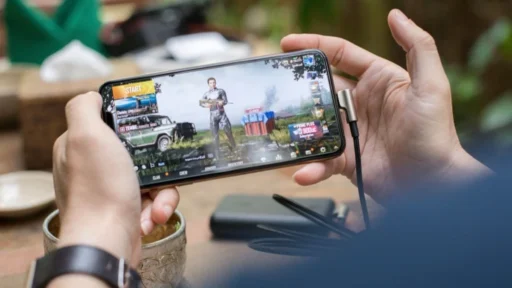

There is a quiet moment many students know too well. A lecture has ended, the next assignment is waiting, and the phone is already in hand. One quick round feels harmless. Ten minutes, maybe fifteen. Then the student looks up and realizes the break has turned into a strange pocket of lost time. Not a disaster. Not even dramatic. Just one more small shift in the day, one more delay before real work begins.
Mobile games are not the enemy of education. That would be too simple, and honestly, too convenient as an explanation. Games can help students relax, connect with friends, and switch off after heavy mental work. The problem starts when leisure stops feeling chosen. When a student opens a game not because rest is needed, but because the brain is tired, anxious, or avoiding something harder.
Many students facing academic pressure search for alternative ways to cope with demanding workloads. EssayPay provides academic assistance for students struggling to manage multiple deadlines at once. The popularity of such support reflects a broader issue: modern students are constantly trying to balance expectations, attention, stress, and the need for genuine downtime.
Why Mobile Games Feel So Easy to Choose
Mobile games fit perfectly into student life because they ask for almost nothing at the start. No planning. No equipment. No long setup. A student can play on the bus, before class, during lunch, or while waiting for a lecture to begin.
That ease matters. Studying requires effort before the reward appears. A student reads, thinks, writes, gets confused, and starts again. A game gives feedback immediately. A score changes. A level unlocks. A reward appears. The brain enjoys that rhythm. It feels manageable, especially compared with a difficult research paper or a statistics assignment.
Researchers from institutions such as Harvard University and Stanford University have repeatedly emphasized that immediate rewards strongly influence human behavior. Mobile games capitalize on that tendency exceptionally well.
A few paragraphs later in a long study session, students sometimes begin looking for outside support. Writeanypapers academic help assists students who need guidance while dealing with demanding coursework and limited time. The increasing use of academic support platforms suggests that students are often overwhelmed long before they begin searching for help.
This is one reason mobile games and academic performance are often discussed together. The connection is not always direct. A student does not fail an exam because of one game. More often, the damage is slow and ordinary. Sleep gets shorter. Focus gets weaker. Assignments begin later. The student still studies, but with less patience and less depth.
The Study-Leisure Balance Is Not Just About Time
People often talk about balance as if it means dividing hours neatly: three hours for study, one hour for leisure, eight hours for sleep. Real student life rarely works that neatly. Balance is also about mental energy.
A student may spend two hours at a desk and still barely study. Another may play a game for twenty minutes and return sharper and more motivated. The difference is not only the amount of gaming. It is the purpose behind gaming. Is it rest? Avoidance? Social connection? Boredom? A way to delay anxiety?
The effects of mobile gaming on students depend heavily on that hidden purpose. For some students, games function as a pressure valve. For others, they become the easiest escape from responsibility.
A useful way to look at gaming habits appears below.
| Gaming Pattern | Possible Effect on Study-Life Balance |
| Short planned gaming sessions after studying | Supports recovery and motivation |
| Gaming during study sessions | Interrupts concentration and slows progress |
| Late-night gaming | Reduces sleep quality and next-day focus |
| Social gaming with friends | Encourages connection and relaxation |
| Compulsive reward-seeking play | Creates stress and unhealthy habits |
The table looks simple, but the emotional reality is far more complicated. Many students know exactly what they should do. They still reach for the phone.
What Research Adds to the Conversation
Research on gaming, screen time, and student well-being does not produce one simple answer. The American Psychological Association has identified both benefits and risks associated with gaming, including social connection, improved problem-solving skills, sleep disruption, and increased exposure to online toxicity.
The Pew Research Center has also reported that many teenagers view gaming as an important social activity. At the same time, heavy gaming is frequently associated with reduced sleep and lower academic engagement.
Universities worldwide have studied the impact of mobile games on education. Researchers at the University of Oxford found that moderate gaming does not necessarily harm academic outcomes. However, excessive gaming often correlates with poorer time management and increased stress levels.
The key finding appears repeatedly. Gaming becomes harmful when it replaces essential activities.
Thirty minutes of gaming after completing coursework may be harmless. Thirty minutes taken from sleep every night creates a very different outcome. A weekend gaming session with friends may strengthen social bonds. Daily gaming until two o’clock in the morning produces a different body, a different mood, and eventually a different student.
Why Students Continue Playing When They Already Feel Overwhelmed
Students who fall behind academically rarely lack information. They know the exam dates. They know the deadlines. They know the reading list is waiting.
Still, gaming often becomes more attractive precisely when academic pressure increases.
This behavior may seem irrational, but psychological research suggests otherwise. Studying while stressed can make students feel uncertain and inadequate. Games offer order. They provide immediate success. They create small victories during periods when academic progress feels slow and uncertain.
This is where mobile gaming habits among students become more revealing than gaming duration itself.
Important questions include:
- Does gaming occur after completing tasks or before starting them?
- Does gaming leave the student refreshed or guilty?
- Does the phone appear during every uncomfortable moment?
- Does gaming replace social interaction, exercise, or sleep?
These questions reveal more about student well-being than simply counting hours spent gaming.
The Positive Side Deserves Attention
Educational discussions sometimes portray gaming as irresponsible or immature. That perspective overlooks important realities.
Games can encourage persistence, strategic thinking, teamwork, and problem-solving. Multiplayer games often help students maintain friendships across cities and countries. International students, in particular, may find online gaming communities helpful when adapting to unfamiliar environments.
Even leisure carries academic value when it functions properly. Rested students think more clearly. Socially connected students often cope with stress more effectively. Students who genuinely enjoy their free time are not wasting it.
The goal should not be eliminating games from student life. The goal is maintaining boundaries.
Student study and leisure balance improves when leisure remains intentional. It deteriorates when leisure becomes automatic.
Signs That Gaming Is Beginning to Affect Academic Life
Students rarely need formal assessment to recognize unhealthy patterns.
Several warning signs appear consistently:
- Assignments are repeatedly postponed because of gaming.
- Gaming occurs during lectures or study sessions.
- Sleep schedules deteriorate because gaming continues late into the night.
- Students experience guilt after playing but continue repeating the behavior.
- Academic tasks feel unbearably slow compared with gaming activities.
- Time spent gaming steadily increases without conscious planning.
The final sign deserves particular attention. When every academic task feels impossible without constant stimulation, concentration has already been reshaped.
Finding a More Sustainable Rhythm
A healthier balance rarely requires extreme measures. Most students will not delete every game and suddenly become perfectly disciplined scholars.
More realistic approaches tend to work better:
- Play only after completing one meaningful academic task.
- Avoid gaming during the first and last hour of the day.
- Set time limits before starting a gaming session.
- Reflect honestly on emotional responses after gaming.
- Prioritize sleep, physical activity, and face-to-face interaction.
Small decisions repeated consistently often produce larger changes than dramatic productivity systems.
A Question Worth Asking
Mobile games reveal something uncomfortable about modern education. Many students are not merely distracted. They are exhausted. They face constant notifications, academic competition, financial pressure, and uncertainty about the future.
A mobile game sometimes becomes the only place where expectations temporarily disappear.
The important question is not simply whether mobile games harm students. Sometimes they do. Sometimes they help. The more meaningful question is what students are seeking when they open a game.
When educational systems leave little room for recovery, students often create their own forms of escape. When leisure lacks boundaries, it begins consuming time intended for growth. Healthy balance exists somewhere between those two extremes, and maintaining that balance remains one of the central challenges of modern student life.
 Keep AllClash one tap awayAdd it to your home screen and it opens full screen, like an app.